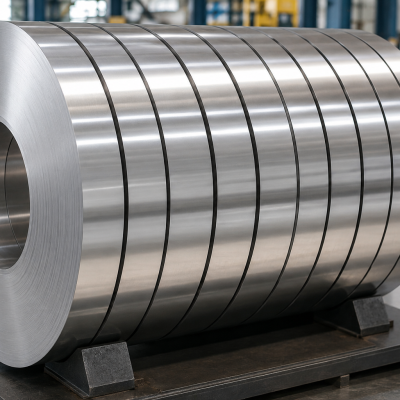
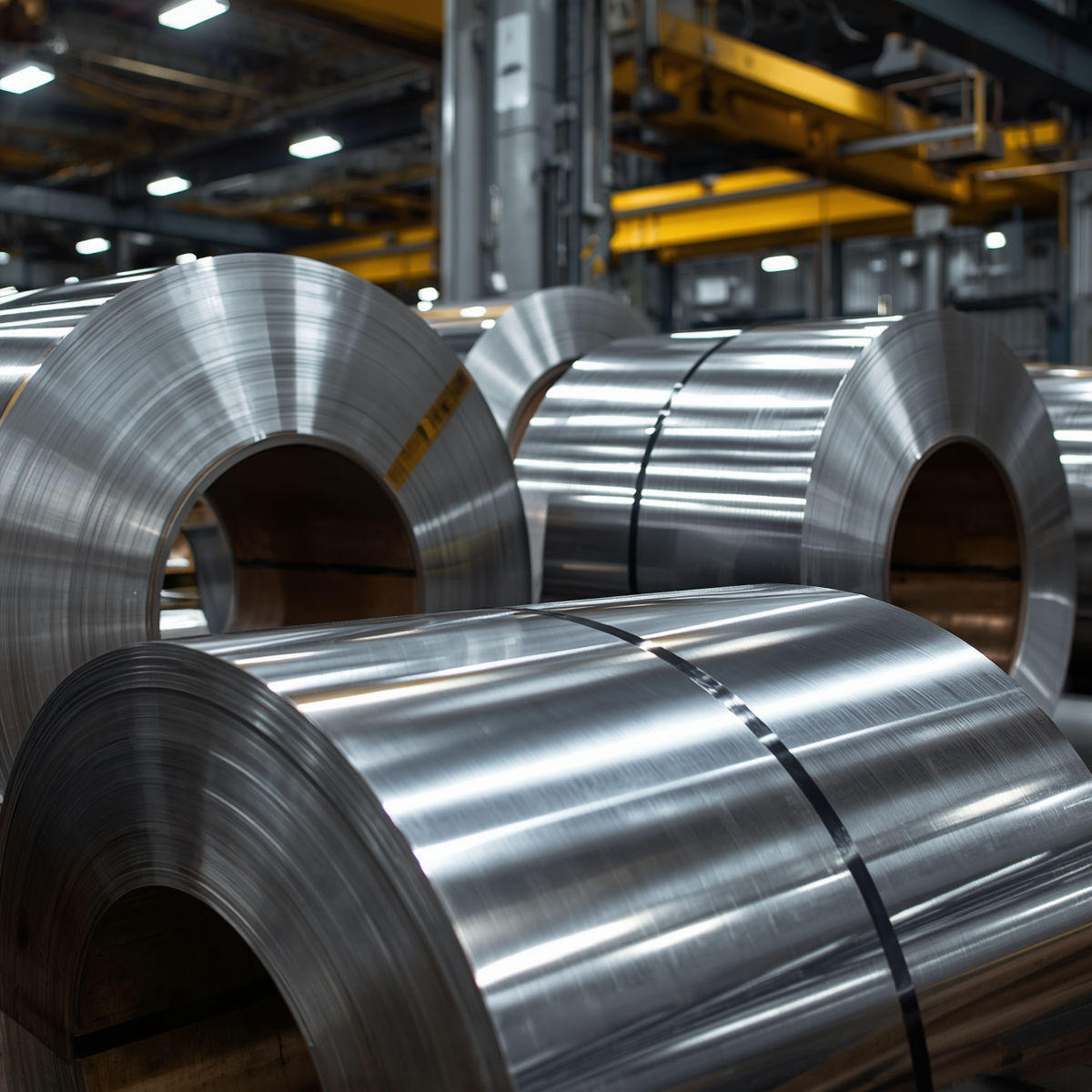
When you’re buying steel coils in bulk, a wrong grade selection can cost huge down time,when you buy the difference in coil is not visible to our naked eyes because those grade are physically identical ,Changes in there pyhsical state shows up months later as premature component failure.
As an experienced B2B manufacturer and supplier, we know that selecting the correct material is essential for your operational longevity, as performance under environmental and chemical stress varies significantly between these alloys. In this guide, we provide a technical breakdown of SS 304 vs 316 coils to help procurement teams and engineers make the best-informed decision for their specific industrial requirements.
The main difference lies in the chemical composition.
The real difference between these two Stainless Steel 304 and 316 coil comes down to a single element: Molybdenum. Both variations are non-magnetic and highly formable, but their chemistry profiles diverge significantly:
Stainless Steel 304: Contains roughly 18% Chromium and 8% Nickel. This baseline chemistry provides excellent structural durability and reliable standard corrosion resistance.
Stainless Steel 316: Drops the Chromium slightly to 16% but bumps the Nickel to 10% and adds a vital 2% to 3% Molybdenum.
Why Molybdenum Changes Everything
The addition of Molybdenum fundamentally alters how the alloy handles harsh environments. It acts as a structural shield against chloride-induced pitting and localized crevice corrosion. If your production line or end-use application involves exposure to industrial solvents, marine air, or aggressive processing chemicals, Molybdenum is the only element preventing the steel from degrading.
Technical Comparison: SS 304 vs SS 316 Coils
B2B procurement teams and engineers require hard data to justify raw material choices.
Below is a direct technical breakdown summarizing how these grades match up under standard operating parameters:
| Feature / Property | Stainless Steel 304 Coils | Stainless Steel 316 Coils |
| Chemical Formula | 18% Cr, 8% Ni | 16% Cr, 10% Ni, 2-3% Mo |
| Corrosion Resistance | Excellent for freshwater & atmosphere. Vulnerable to salt/chlorides. | Superior. High resistance to industrial acids, brine, and heavy chemicals. |
| Maximum Service Temp | Safe up to 870°C for intermittent use. | Marginally higher creep resistance under heavy thermal loads. |
| Formability & Fabricating | Outstanding; highly pliable for deep drawing and stamping. | Excellent weldability, though slightly stiffer to form due to higher nickel. |
| Upfront Cost Factor | Baseline standard industry pricing. | 30% to 40% premium based on current global Molybdenum markets. |
Industrial Applications: When to Choose Which Grade?
Over-engineering a product drives up production costs unnecessarily, while under-engineering damages your brand’s field reputation. Let’s look at exactly where each coil grade delivers the best return on investment.
Where SS 304 Coils Excel
If your operational environment is relatively controlled, SS 304 coils offer the most cost-effective solution on the market.
General Fabrication: Structural frames, safety enclosures, brackets, and architectural paneling.
Automotive Assemblies: Exhaust components, decorative trim, and structural brackets where direct road-salt or chemical contact is minimal.
Stamping & Deep Drawing: High-volume mass production of consumer appliances, structural spacers, and standard industrial tubing.
Where You Must Upgrade to SS 316 Coils
When component failure risks an entire system shutdown, upgrading to SS 316 coils is non-negotiable.
Chemical & Petrochemical Processing: Storage tanks, specialized process piping, and heat exchangers dealing with highly aggressive organic or inorganic acids.
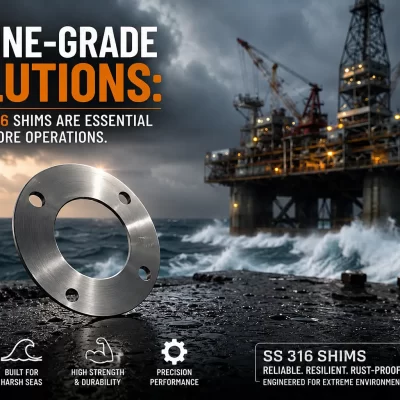
Marine Engineering: Offshore drilling components, shipping hardware, and coastal infrastructure exposed to continuous sea spray.
Pharmaceutical & Food Processing: High-purity process lines that require frequent sanitation cycles using harsh, corrosive chemical washdowns.
The Cost vs. Longevity Equation
From a purchasing perspective, it is always tempting to choose SS 304 coils because of the immediate cost savings. However, seasoned procurement managers look closely at the total cost of ownership.
If you place an SS 304 coil product into an environment with high salt, marine air, or chemical exposure, it will likely suffer from micro-pitting within months. The resulting replacement cycles, labor hours, and production delays quickly wipe out the initial 30% to 40% material savings.
Rule of thumb: If the environment contains salt, sea air, specialized acids, or extreme chemical cleaning agents, pay the premium for SS 316. For almost everything else, SS 304 is your most profitable choice.
Partnering for Precision Slitting
Choosing the right grade is only half the battle; choosing a manufacturing partner who can deliver exact width tolerances and burr-free edges is just as critical.
At Unimix Metal Corporation, we maintain an extensive, certified inventory of both 304 and 316 grades. Utilizing our advanced, state-of-the-art slitting machinery, we process raw material orders to your custom widths and thicknesses, accommodating the exact technical specifications of your automated tool-and-die setups.
Avoid production bottlenecks and material degradation. Contact our engineering desk today to request technical datasheets or get an immediate quote on our high-quality industrial stainless steel coils.