Stainless Steel Shims Manufacturer in India | SS Shim Sheets & Foils Supplier
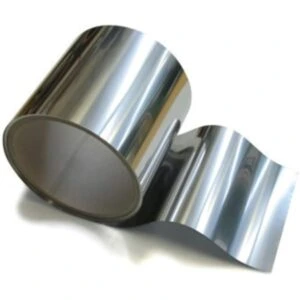
Learn what stainless steel shims are, their types, grades, applications, and benefits. Leading manufacturer and supplier of SS 304, SS 316 shim sheets, foils, and precision shims in India. Stainless Steel Shims are thin pieces of stainless steel used to fill gaps, provide alignment, adjust spacing, and ensure precision in mechanical and industrial assemblies. They are widely used in industries where accurate positioning and load balancing are important. Stainless steel shims are available in different thicknesses, grades, and sizes to suit various engineering and manufacturing applications.
Stainless Steel Shims, SS Shim Sheets, SS 304 Shims, SS 316 Shim Sheets, Stainless Steel Foils, Precision Shims, Shim Manufacturer in India, Stainless Steel Shim Supplier, SS Shim Coil, Industrial Shims, Metal Shims, Stainless Steel Spacer Sheets, Shim Foil Supplier, SS Precision Shims, Stainless Steel Packing Shims
What Is a Stainless Steel Shim?
A stainless steel shim is a precision-cut metal strip or sheet manufactured from stainless steel material. It is inserted between two surfaces to do the following:
- Correct alignment
- Reduce vibration
- Maintain tolerances
- Adjust spacing
- Prevent wear and tear
These shims are commonly supplied in:
- Sheets
- Rolls
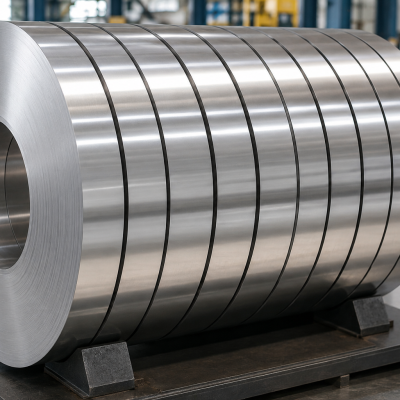
- Coils
- Foils
- Pre-cut pieces
Types of Stainless Steel Shims
1. Shim Sheets: Flat stainless steel sheets used for spacing and leveling applications.
2. Shim Foils: Ultra-thin shims used in high-precision engineering and instruments.
3. Slotted Shims: Designed with slots for quick installation around bolts or shafts.
4. Laminated Shims: Made with multiple peelable layers for adjustable thickness.
Common Stainless Steel Grades Used
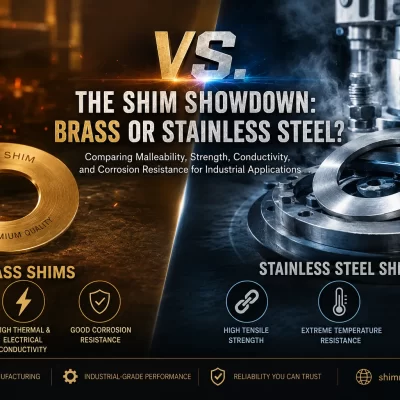
-SS 304 Shims : Most widely used grade with excellent corrosion resistance and durability.
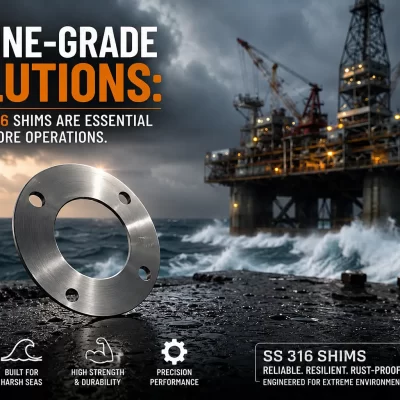
-SS 316 Shims: Suitable for marine and chemical environments due to superior corrosion resistance.
-SS 301 Shims: Offers high strength and good flexibility.
-SS 410 Shims: Used where wear resistance and hardness are required.
Key Features of Stainless Steel Shims
-High corrosion resistance
-Excellent dimensional accuracy
-Long service life
-Heat resistance
-Smooth surface finish
-High tensile strength
-Rust-resistant properties
Applications of Stainless Steel Shims: Stainless steel shims are widely used in
- Industrial Machinery: For machine alignment and vibration control.
- Automotive Industry: Used in engine assemblies, gear setups, and braking systems.
- Aerospace Industry: Helps maintain precision tolerances in aircraft components.
- Construction Equipment: Used for structural leveling and heavy machinery adjustment.
- Power Plants: Applied in turbines, generators, and rotating equipment.
- Manufacturing Units: Used in presses, molds, and industrial equipment installation.
Advantages of Stainless Steel Shims
- Precision Alignment: Helps maintain exact spacing between components.
- Corrosion Resistance: Performs well in moisture, chemical, and outdoor environments.
- Durability: Withstands pressure, vibration, and temperature variations.
- Cost-Effective Maintenance: Reduces equipment wear and improves machinery life.
Available Thickness Range
Stainless steel shims are commonly available from:
0.01mm≤t≤5mm
Custom thicknesses can also be manufactured depending on industrial requirements.
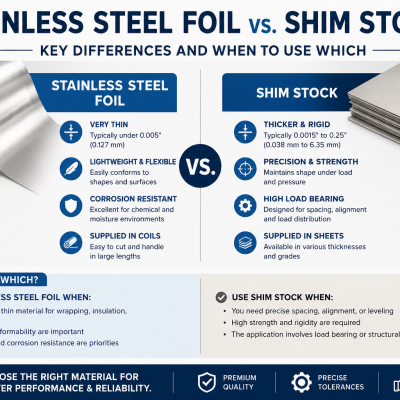
Difference Between Shim Sheets and Shim Foils
| Feature | Shim Sheets | Shim Foils |
|---|---|---|
| Thickness | Relatively thicker | Ultra-thin |
| Application | Heavy machinery | Precision equipment |
| Flexibility | Moderate | High |
| Strength | Higher load capacity | Fine adjustment usage |
Stainless Steel Shims play an essential role in modern engineering and industrial applications by providing accurate spacing, alignment, and support. Their corrosion resistance, durability, and precision make them ideal for automotive, aerospace, manufacturing, and heavy engineering industries.
Choosing the correct stainless steel shim grade and thickness helps improve machinery performance, reduce maintenance costs, and ensure long-term operational efficiency.