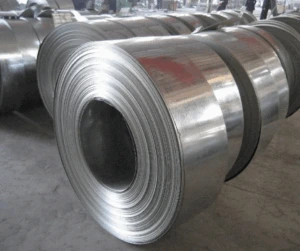
SS 321 Shim Thickness Guide for Industrial Applications
In precision engineering and fabrication industries, selecting the correct shim thickness is critical for maintaining alignment, reducing vibration, and ensuring proper load distribution within assemblies. Stainless Steel 321 Shims are widely used in applications involving elevated temperatures, repeated thermal cycling, and environments where dimensional stability is essential.
This guide explains SS 321 shim thickness ranges, selection factors, common industrial applications, and considerations that help engineers and procurement teams choose the appropriate shim stock for specific operational requirements.
What is SS 321 Shim Stock?
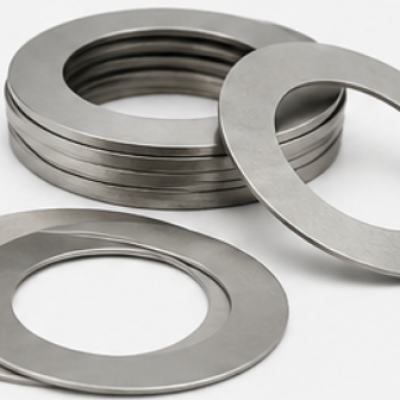
SS 321 shim stock is a thin precision stainless steel material manufactured from titanium-stabilized Stainless Steel 321 grade. The addition of titanium helps improve resistance to intergranular corrosion during welding and prolonged heat exposure.
Because of its stability at elevated temperatures, Stainless Steel 321 shim stock is commonly used in:
- Heat exchangers
- Petrochemical processing systems
- Exhaust assemblies
- Power generation equipment
- Furnace components
- Industrial machinery alignment systems
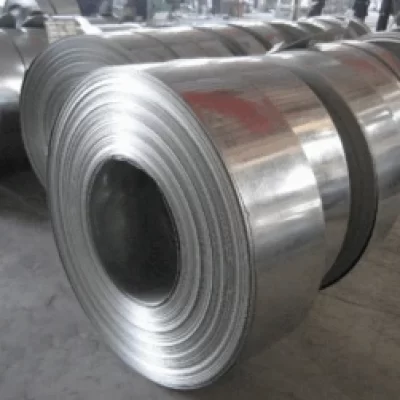
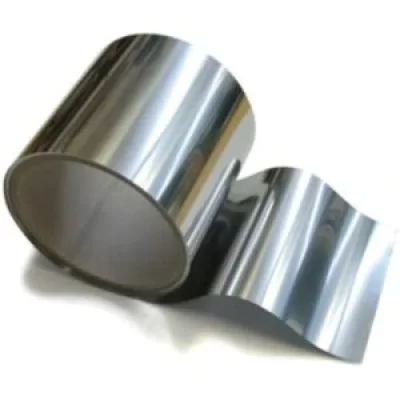
These shims are typically supplied in sheet, strip, roll, or coil form depending on the application.
Standard SS 321 Shim Thickness Range
The required shim thickness depends on assembly tolerances, operating temperature, load conditions, and alignment accuracy.
Below are commonly used thickness ranges for Stainless Steel 321 shims:
| Thickness Range | Common Usage |
|---|---|
| 0.02 mm – 0.05 mm | Precision instruments and light alignment |
| 0.06 mm – 0.15 mm | Fine spacing and calibration applications |
| 0.16 mm – 0.50 mm | Industrial machinery and fabrication setups |
| 0.51 mm – 1.00 mm | Structural alignment and vibration support |
| Above 1.00 mm | Heavy-duty industrial applications |
Actual thickness availability may vary depending on manufacturing specifications and application requirements.
Factors to Consider When Selecting SS 321 Shim Thickness
Choosing the correct shim thickness involves more than simply filling a gap. Several engineering and operational factors should be evaluated before selection.
Operating Temperature
Applications involving continuous heat exposure may require thicker shim stock to maintain dimensional stability under thermal expansion and mechanical stress.
Industries such as power generation and petrochemical processing commonly use Stainless Steel 321 shims because of their ability to perform reliably in elevated temperature conditions.
Load Distribution Requirements
Higher mechanical loads generally require thicker shims to provide stable support and reduce deformation during operation.
Thin shims are often suitable for precision calibration, while thicker shim stock may be preferred for equipment alignment and structural assemblies
Alignment Accuracy
Precision assemblies may require multiple thin shims layered together to achieve accurate spacing tolerances.
Using controlled thickness ranges helps reduce alignment variation and simplifies installation during maintenance procedures.
Corrosion and Environmental Exposure
In environments involving moisture, chemicals, or fluctuating temperatures, SS 321 shims are often selected for their resistance to oxidation and intergranular corrosion.
This contributes to longer service life and reduced replacement frequency in demanding industrial environments.
Common Applications Based on Shim Thickness
Different industries and assemblies use varying shim thicknesses depending on operational requirements.
Thin Gauge SS 321 Shims
Thin shims are commonly used in:
- Instrument calibration
- Precision machinery
- Electronic assemblies
- Fine-tolerance engineering systems
These applications prioritize exact spacing and dimensional consistency
Medium Thickness SS 321 Shims
Medium-range shim thicknesses are frequently used in:
- Fabrication equipment
- Heat exchanger assemblies
- Pump alignment systems
- Industrial machinery installation
This range balances flexibility with structural support.
Heavy Thickness SS 321 Shims
Thicker shim stock is generally selected for:
- Heavy engineering equipment
- Structural support assemblies
- High-load industrial systems
- Power plant installations
These applications require stronger load-bearing capability and enhanced operational stability.
Benefits of Using Stainless Steel 321 Shims
SS 321 shim stock is preferred in high-temperature industrial environments because of its material characteristics and fabrication compatibility.
Thermal Stability
The titanium stabilization in Stainless Steel 321 helps maintain structural integrity during repeated heating and cooling cycles.
Reliable Corrosion Resistance
SS 321 shims provide resistance to oxidation and intergranular corrosion, particularly in elevated temperature applications.
Fabrication Compatibility
The material can be processed using common industrial methods such as:
- Laser cutting
- Slitting
- Shearing
- Stamping
This allows easier integration into manufacturing and maintenance workflows.
Consistent Thickness Control
Controlled manufacturing tolerances support accurate alignment and repeatable assembly performance.
Storage and Handling Recommendations
Proper storage helps maintain surface quality and dimensional consistency.
Recommended practices include:
- Store shim stock in dry indoor environments
- Avoid exposure to moisture and contaminants
- Handle thin shims carefully to prevent edge damage
- Separate different thickness ranges for identification efficiency
Following these practices can help reduce handling-related deformation during installation.
Choosing the Right SS 321 Shim Supplier
When sourcing Stainless Steel 321 shim stock, buyers often evaluate:
- Thickness accuracy
- Material certification
- Consistent surface finish
- Availability of custom dimensions
- Delivery timelines
- Manufacturing capability
Reliable suppliers generally provide controlled tolerances and support customized industrial requirements.
Conclusion
Selecting the correct SS 321 shim thickness plays an important role in maintaining assembly accuracy, operational stability, and long-term equipment performance. Factors such as temperature exposure, load requirements, alignment precision, and environmental conditions all influence the ideal thickness selection.
Because of their high-temperature stability and corrosion resistance, Stainless Steel 321 Shims continue to be widely used across fabrication, petrochemical, power generation, and engineering industries requiring dependable precision components.